

5 Foods that Can Support Your Immune System this Winter
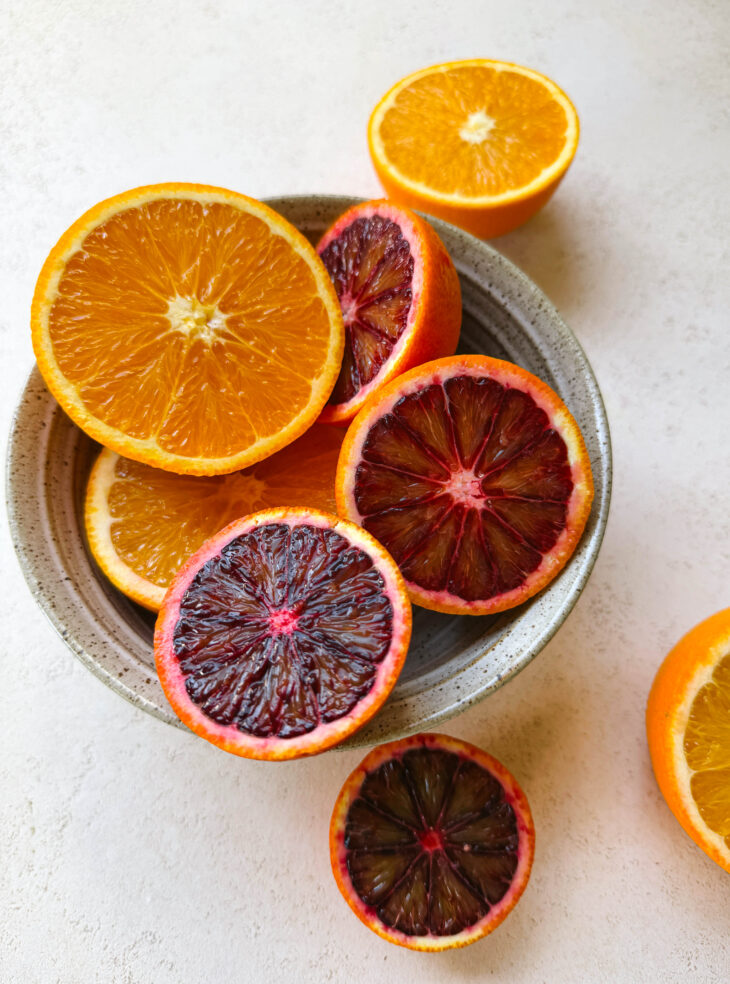
It can be so easy to compulsively turn towards vitamin C packets, zinc lozenges, or elderberry syrups during this time of year, or even just during the first signs of a scratchy throat. I love that we have those options available, but I figured it would help to explain how much more important it is to prioritize whole foods for supporting immune health! While supplements can always have their place, they will only ever be one piece of the bigger picture.
Here are some foods that I like to consume more of during the winter months:
Protein
Eating adequate amounts of protein can do wonders for our energy levels. But more importantly, our immune cells are made of protein, which is why when protein is too low, immune defenses can weaken, making protein a key nutrient to focus on for immune health support. Protein needs also slightly increase during the winter months due to colder temperatures, increased energy demands, and greater exposure to stressors.
Some easy, winter-friendly protein sources:
- Eggs
- Chicken, turkey, or beef
- Fish a
- Greek yogurt or kefir
- Beans, lentils, or tofu
I always like to consume protein sources earlier in the day to feel more focused, energized, and keep my appetite stable. Anything from eggs, yogurt, or a simple bowl of beans and grains can be great, easy options!
Zinc
Zinc plays a critical role in immune cell development and communication. Even mild zinc deficiency can impair immune response, making it harder for the body to respond efficiently to pathogens.
Some zinc-rich foods to incorporate throughout the week:
- Red meat and poultry
- Pumpkin seeds
- Chickpeas and lentils
- Dairy products
Something like reaching for a handful of pumpkin seeds, or eating a serving of lentils throughout the week are small, easy choices that can eventually stack up to build up immune health.
Vitamin C
Vitamin C supports immune cell function and acts as an antioxidant, helping regulate inflammation during immune responses. The great thing about consuming vitamin C-rich foods as opposed to supplements is that you get the added benefit of fiber, which can support immune function as well.
Winter-friendly sources include:
- Citrus fruits
- Kiwi
- Bell peppers
- Frozen berries
- Broccoli and Brussels sprouts
Throw these into smoothies, grain bowls, or salads for a quick, easy boost.
Fiber
An underrated nutrient in my opinion! About 70% of the immune system is housed in the gut. Fiber feeds beneficial gut bacteria, which in turn help regulate immune responses and inflammation.
In winter, digestion often slows, and raw foods honestly just feel less appealing. I find that cooked, fiber-rich foods are usually better tolerated and more enjoyable.
Some staples I rely on:
- Oats (try baked oatmeal with your favorite toppings)
- Beans and lentils
- Sweet potatoes and squash (try my chicken and sweet potato grain bowl for a great protein and fiber-rich meal)
- Cooked leafy greens
- Apples and pears (especially stewed)
Broths and Soups for Warmth, Hydration, and Minerals
While not a cure-all, broths and soups can offer support in several areas. They provide fluids, electrolytes, amino acids, and warmth, all of which help the body function more efficiently during winter.
Bone broth, in particular, contains glycine and proline, amino acids involved in immune regulation and tissue repair. Even vegetable-based soups offer hydration and minerals that support overall resilience. To cut back on time, you can always make large batches and freeze them to have on hand for days when appetite or energy is low!